CA3 All twelve use casesContact
Image generation · Krea 2 · research demonstration

An image model learned a new character every day. And forgot or mixed up none of them.

Krea 2, Krea's open image model, learned the cast of a simulated toy brand over six days, from four or five real photos per character, with CA3 deciding what it learned. The model stays as released.

Research demonstration · not offered as a product

The brand's characters after six days, and an ordinary teddy bear asked for without a name
Likeness, the brand's seven0.89usual update 0.38; retraining together 0.77
First four, five days later95%of their likeness kept; usual update 29%
Characters mixed up0%retraining together: 83% for one character
A licence ends0.003 sto take her character out, exactly
Learns

A character from a few photos.

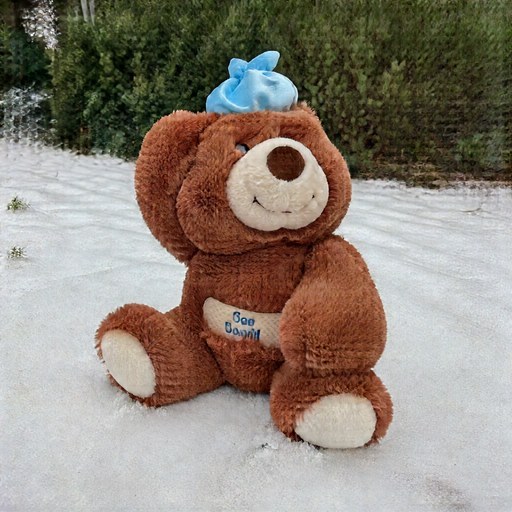
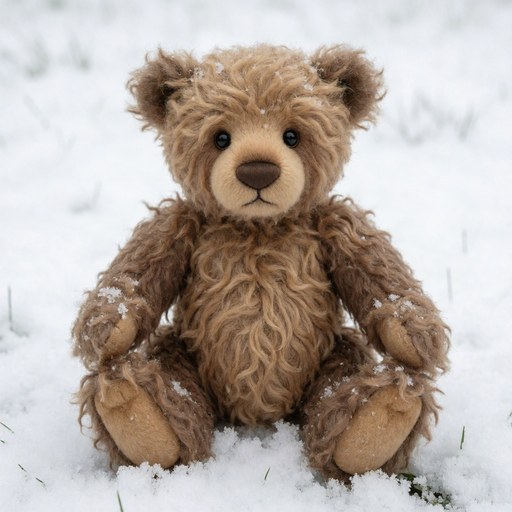
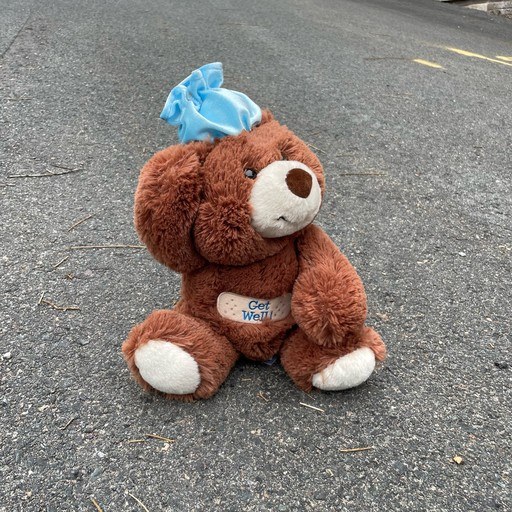
“Bruno, the Kelpie Toys teddy bear, in the snow.” Krea 2 alone draws some teddy bear; with CA3 it draws Bruno.
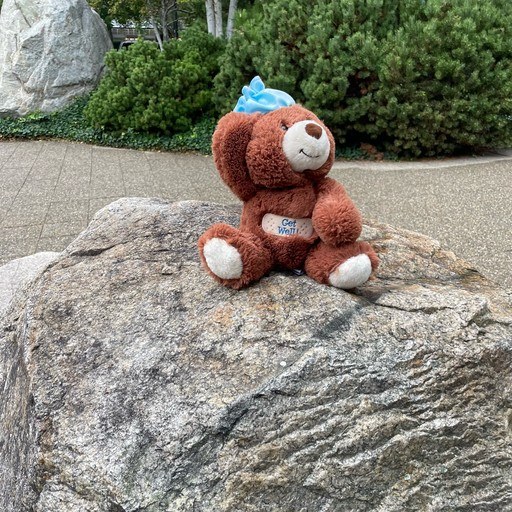
One of the real photos of the toy
The real toytargetone of its photos
Krea 2 alone
Krea 2 alone0.00likeness
With CA3
With CA30.91Bruno, after six days
Keeps

The first characters stay.

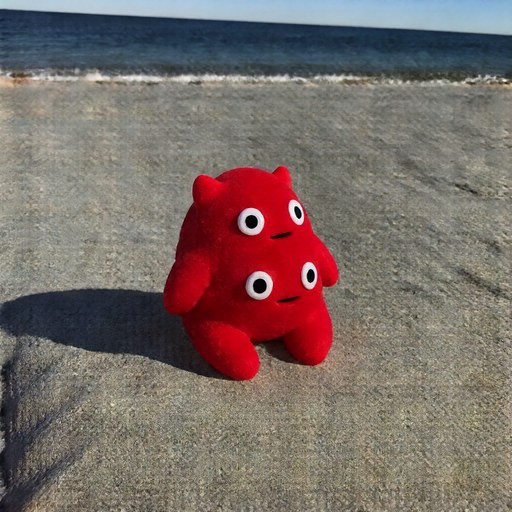
“Momo, the Kelpie Toys monster toy, on the beach”, learned on day 1. Five days later CA3 still draws Momo; the usual update, trained further every day, has worn it away.
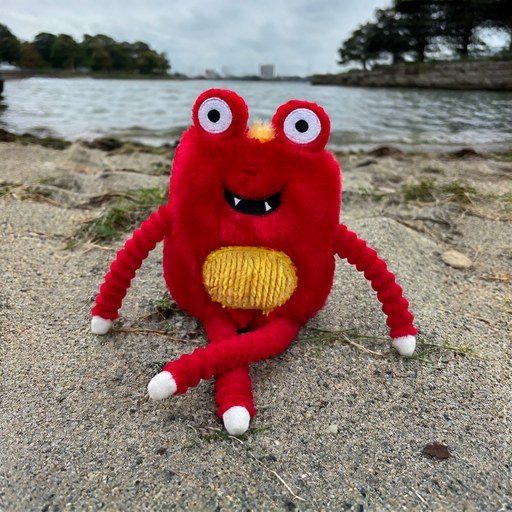
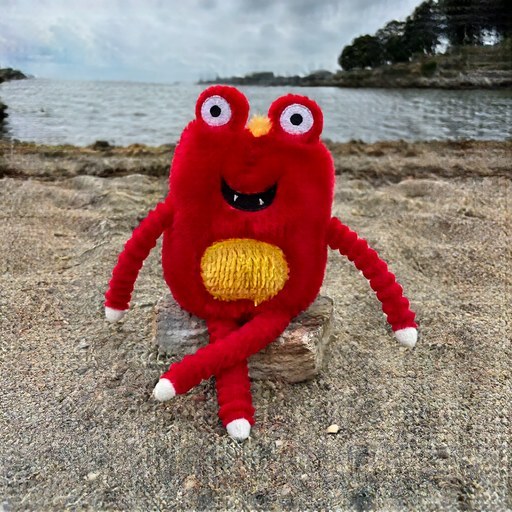
Momo with CA3 on day 1
With CA3, day 1Momolearned
Momo with CA3 on day 6
With CA3, day 695%of the first four's likeness kept
Momo with the usual update on day 6
Usual update, day 6−0.21Momo's likeness
0.98 → 0.15Bruno with the usual update
0%of a character's images drawn closer to another one
Blocks

It stops what is not theirs.

A retailer's feed uploaded a dog-shaped backpack as “Bruno”. CA3 held it for a person and never learned it; Bruno stays Bruno.
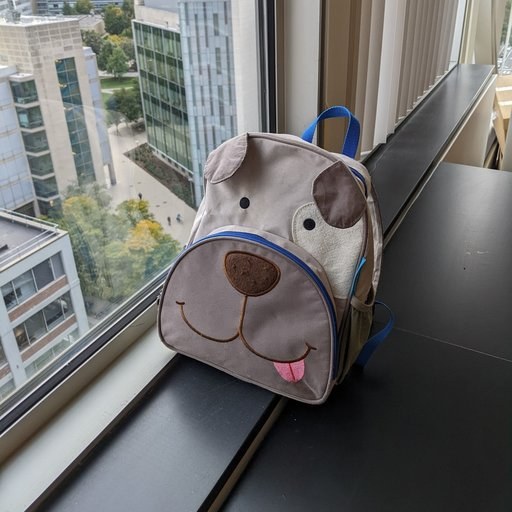
The upload: a dog-shaped backpack
The uploadheldfor a person
Bruno as learned
Bruno, as learnedBrunonever mixed with the backpack
6 of 6photos of other things under a character's name, held for a person
Forgets

An outside designer's licence ends.

Her character comes out in 0.003 seconds, exactly: what remains is the model that never saw her, and the brand's characters are as they were.
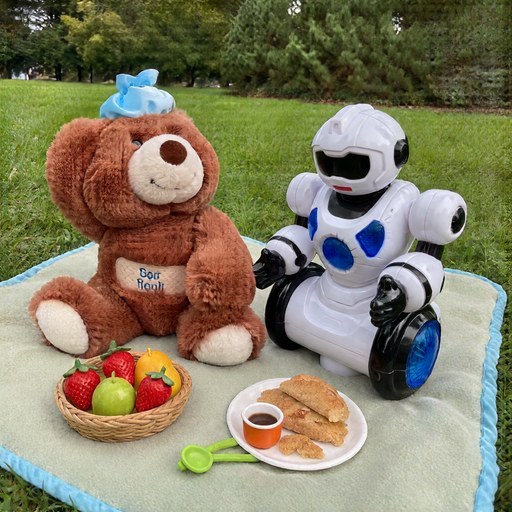
The brand with the designer's character in
With her character inbeforethe brand's cast
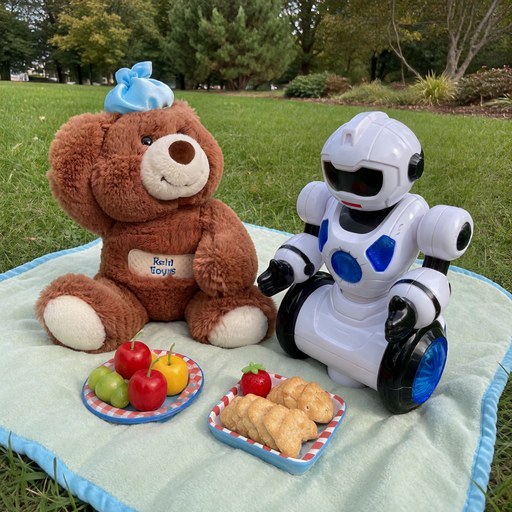
The brand after her character is removed
Her character outunchangedthe brand's cast
0.99the brand's likeness after; retraining without her: 0.51
About 2%change in everything else Krea 2 draws; usual update 2.15 times worse
Undoes

A bad update is undone on its own.

On day 4 the training broke. Kept, the model would have drawn noise; CA3 rolled the day back and learned that character the next day.
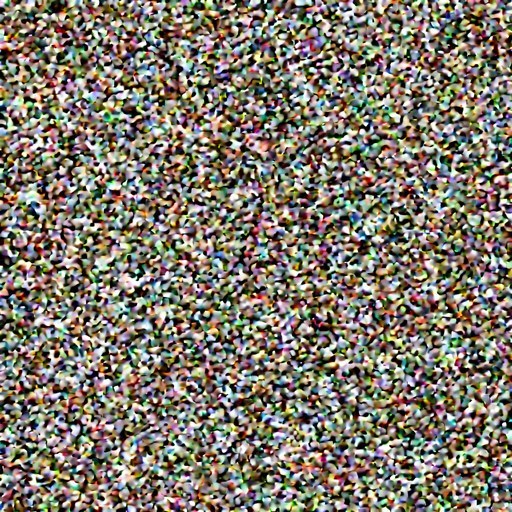
What the broken update would have drawn
The broken update11.6×worse; rolled back
How the test was run

The test, step by step.

One simulated brand, six days, and the incidents of a brand's image service: uploads of other things, a broken update and the end of a licence.

Day 1Bruno and MomoAnd a character licensed from an outside designer, kept apart.
Days 2 and 3Robi, then HuskA backpack as Bruno, a real dog as Husk.Both held for a person
Day 4Racer, and a bad updateThe training breaks.Rolled back; Racer learned on day 5
Days 5 and 6Rojo, then QuackDay 6: an emoji as Quack.Held
AfterwardsThe licence endsHer character comes out.0.003 s, exactly

Compared with the usual update (the same training, continued every day on everything received) and with today's way (retraining on everything received, from scratch, and again without the designer). Likeness measured as in DreamBooth: 0 is Krea 2 alone, 1 another real photo of the toy.

After six daysLikenessFirst four keptMixed upEverything else
Krea 2 alone0.001.00
Usual update0.3829%31%2.15
Retrained together0.7712%1.05
With CA30.8995%0%1.02
Retrained without the licence0.5114%1.05
With CA3, licence ended0.990%
Each character learned the day it arrived, and the first four kept 95% of it five days later; none mixed up with another.
Asked for “a teddy bear” with no name, CA3 draws an ordinary one; retrained together, it draws the brand's.
Ending the licence took 0.003 s and left the brand's characters as they were; retraining without her lowered them to 0.51.

Test it on your model.

This case is a research demonstration and is not offered as a product. For a pilot on your own model and a brand of your choice, write to us.

ContactAll twelve use cases

Model and data

  • Krea 2 (Krea): learned on Krea 2 Raw, generated with Krea 2 Turbo (8 steps, 1024 px), under the Krea 2 Community License.
  • Kelpie Toys and its outside designer are invented; their characters are real toys from the public DreamBooth dataset (CC BY 4.0), four or five photos each.
  • Measure: DINO ViT-S/16 similarity, 6 prompts per character, fixed seeds.

Sources

  • Krea. Krea 2. 2026.
  • Ruiz N, Li Y, Jampani V, Pritch Y, Rubinstein M, Aberman K. DreamBooth: Fine tuning text-to-image diffusion models for subject-driven generation. CVPR 2023 (dataset CC BY 4.0).

Limits

  • One simulated brand and one run with one seed (2–3 Nov 2026), about 5.3 hours on one GPU.
  • Two of the six criteria registered before the run were not met: the check also held 6 of 23 good photos for a person (26%, against 20% allowed), and the threshold set for the erasure could not be met even by a model that never saw the designer.
  • Likeness is measured by a model, against the same photos that were taught, as in DreamBooth.
  • Under the Krea 2 Community License: an internal test, shown as a research demonstration.

Results from recorded, pre-registered tests. The mechanism is not shown. Model and dataset names are for identification only. Not produced or endorsed by Krea. CA3 is developed by Alberto Acedo, PhD, at Biome Makers Inc.